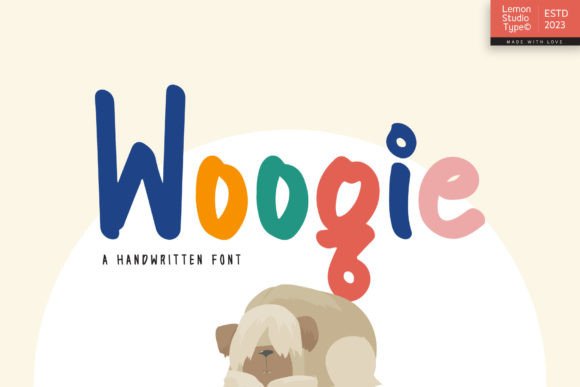
Woogie: The Handwritten Display Font for Authentic Branding
Running a small business means wearing many hats, from product creator to marketing manager. One of the most frequent challenges I face is maintaining a consistent visual identity across so many different touchpoints. Whether it is a hand-stamped thank-you card, a digital ad on Instagram, or the label on a handmade jar, every element needs to speak the same language. That is where finding the right display font becomes critical. It is not just about picking something that looks pretty; it is about selecting a typeface that builds trust and makes your brand feel approachable yet professional.
This is exactly why I have been drawn to Woogie. As a handwritten font, it brings a sweet and natural impression that feels incredibly personal. In a world of sterile, corporate templates, Woogie stands out by offering a design asset that connects with customers on an emotional level. It is perfect for design needs ranging from greeting cards to children's clothing mockups, but its utility extends far beyond those specific niches.
Why Personality Matters in Business Typography
When I look at my competitors, I often see a sea of identical sans serif fonts that all look the same. To stand out, a business needs a unique voice, and typography is the first place that voice comes through. A creative font like Woogie can instantly signal that a brand is friendly, creative, and human-centric. This is especially important for boutique owners, café operators, and independent creators who rely on building relationships with their audience.
The style of Woogie gives off a warm vibe that invites people in. It does not demand attention aggressively; instead, it welcomes the viewer with a gentle, handwritten charm. When used correctly, this typeface helps a business look more consistent and recognizable. Imagine walking into a shop or scrolling through a feed and seeing that same playful, organic lettering everywhere. That consistency builds familiarity, which is the foundation of trust.
Real-World Applications for Your Brand Materials
I have tested Woogie across various materials to see how it performs in real-world scenarios. The versatility of this premium font is impressive. For a bakery brand, using Woogie on the menu board creates an immediate sense of homemade quality. It suggests that the pastries are crafted with care, not mass-produced in a factory. Similarly, for a handmade candle seller, applying this font to product labels adds a layer of artisanal authenticity that customers appreciate.
- Logo Design: Woogie works exceptionally well as a primary logo font for businesses that want to appear cute and accessible. It is ideal for naming a kids' clothing line, a beauty product, or a local coffee shop.
- Packaging Design: When designing boxes, stickers, or tags, the handwritten nature of Woogie breaks up rigid layouts. It softens the edges of packaging, making products feel like gifts rather than commodities.
- Social Media Graphics: On platforms like Instagram and Pinterest, text needs to grab attention quickly. Using Woogie for headlines in posts or story overlays ensures your message stands out without looking cluttered.
- Customer-Facing Documents: From invoices to welcome packets, adding Woogie to headers transforms boring administrative documents into branded experiences. It shows you care about the details of the customer journey.
Making Smart Choices for Readability and Impact
While personality is key, readability cannot be ignored. If customers cannot read your price list or your website banner, the font fails its primary job. Woogie shines best when used as a headline or a display font. It is designed to be seen, not read in long paragraphs. For body text, it is crucial to pair it with a clean, legible typeface.
In my experience, pairing a decorative font like Woogie with a clean sans serif font is a winning strategy. The contrast between the playful headline and the structured body text creates a balanced hierarchy. Alternatively, pairing it with a readable serif font can add a touch of elegance while keeping the overall look grounded. This approach ensures that your modern typography remains professional even when it is fun.
Consider the context of use. On a mobile screen, large, bold letters from Woogie work well for titles, but smaller sizes might become hard to decipher. Always test your designs on actual devices before finalizing them. If you are creating product labels for small jars, ensure the font size is large enough to be read clearly. The goal is to enhance the user experience, not complicate it.
Building a Cohesive Brand Identity
A strong brand identity relies on repetition and variety working together. By integrating Woogie into your visual system, you create a cohesive look that ties your physical products to your digital presence. When a customer sees the font on your website, then again on your packaging, and finally on a flyer they picked up at a market, they subconsciously recognize your brand. This recognition is powerful for word-of-mouth marketing.
For service providers like coaches or consultants, Woogie can soften the image of the business. It suggests that you are personable and easy to talk to, which can lower barriers for new clients. For online sellers, it adds a "boutique" feel to digital storefronts, distinguishing your shop from generic marketplaces. The key is to use it strategically as an accent or a focal point rather than overusing it to the point of distraction.
Practical Steps Before You Start Designing
Before committing to Woogie for your entire brand overhaul, I recommend doing some practical testing. Download the font and apply it to a few mockups of your actual products. Create a sample business card, a mock social media post, and a draft of a product label. See how it feels in the context of your specific industry. Does it match the mood of your other design assets? Does it convey the right message?
It is also vital to check the commercial font licensing terms. As a business owner, you need to know if you are allowed to use the font on merchandise, client work, or digital downloads. Most commercial fonts require a specific license for these uses, so reading the fine print protects you from legal issues down the road. Once you have verified the license, you can confidently use Woogie to elevate your branding efforts.
Ultimately, choosing the right design asset is an investment in your business's future. Woogie offers a sweet, natural impression that can help small businesses look more professional, consistent, and memorable. By thoughtfully incorporating this handwritten font into your logos, packaging, and marketing materials, you create a brand experience that resonates with your target customers and sets you apart from the competition.